
Past Exhibitions
Representations of the Glove as Fetish Object
Hand-In-Glove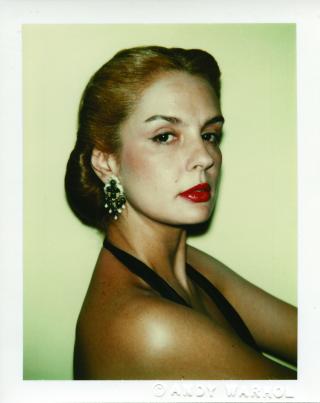
Andy Warhol's American Dream
Follow the Money
A lively mixture of paintings, photographs, and prints juxtaposes Andy Warhol's (1928-1987) renderings of coins and dollar signs with images of people both famous and unknown. Art historian Trevor Fairbrother guest curates this exhibition in honor of the Andy Warhol Foundation's recent gift of 153 Warhol photos to the museum; Follow the Money also includes a rarely seen Warhol portrait of Dartmouth graduate Nelson A. Rockefeller, New York state governor (1959-73) and U.S. vice-president (1974-77).
Photographs from the John Kobal Foundation
Made in Hollywood
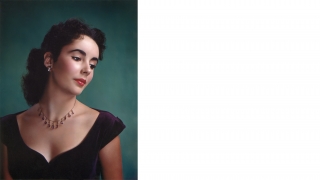
This exhibition celebrates the finest portraits and still photography produced during the heyday of the American film industry—1920 to 1960—now considered Hollywood’s Golden Age. It includes ninety-three photographs drawn from the London-based archive of the late author and collector John Kobal. This collection of the work of more than fifty photographers highlights portraits of film celebrities including Greta Garbo, Marlene Dietrich, Gloria Swanson, Clark Gable, and Humphrey Bogart. Through the skill and inventiveness of these photographers, the faces of Hollywood’s greatest stars were memorialized for generations of movie audiences.
Corporate Imagery in the Art of the 1980s
Reflections on the New American DreamExploring Figural Art from Africa
Art That Lives?
People around the world have at times responded to works of art as more than mere inanimate objects, seeing them instead as living things. This exhibition examines the complex ways that African peoples view images, especially depictions of the human form, as forces that impact personal experience. Sculptures from across the African continent reveal how art has mediated disputes, exerted political authority, and given presence to the dead.